


SES FEIXES, THE ANCIENT GARDEN OF IBIZA
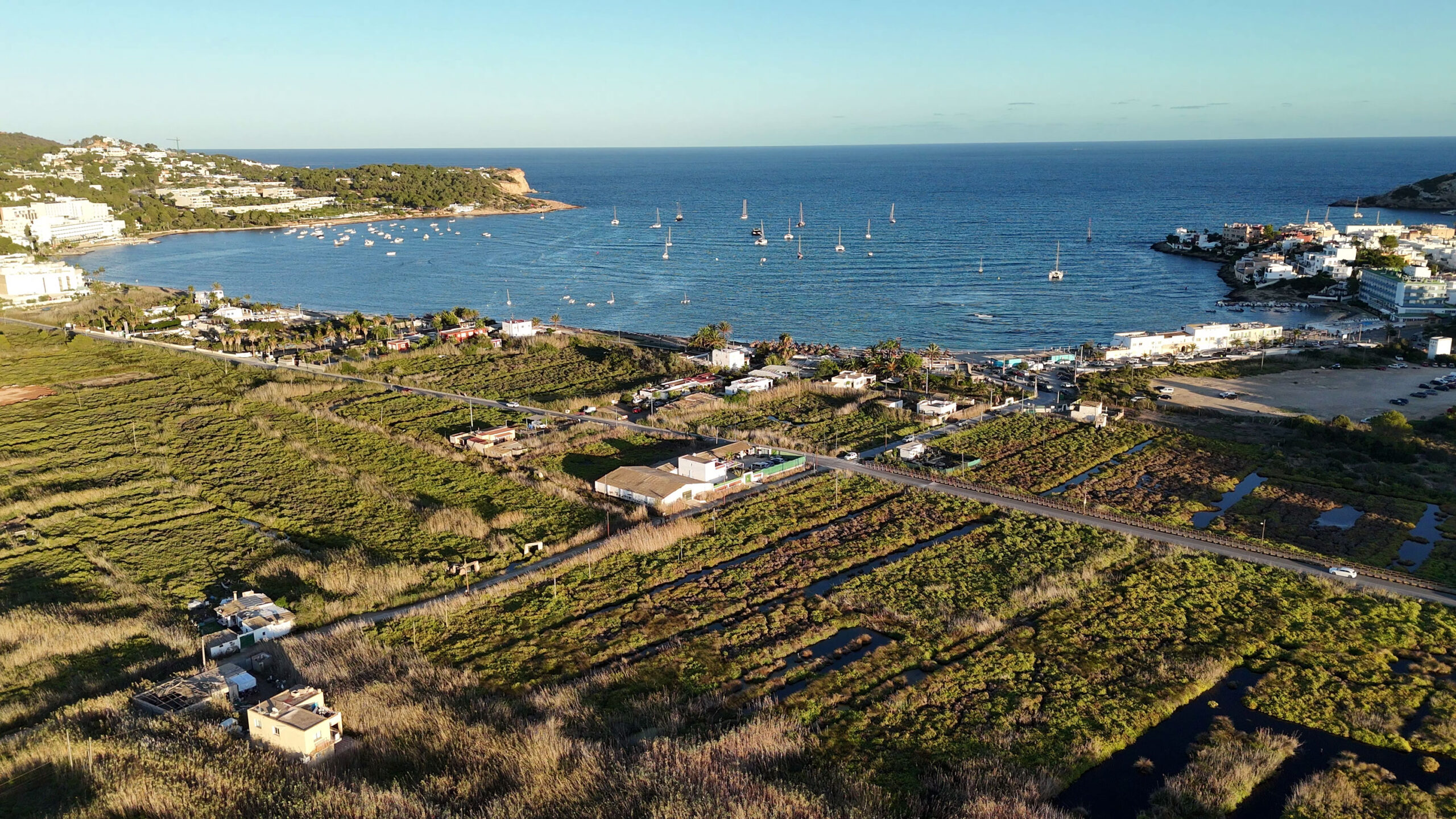
Just a few meters from BREEZE lies what is considered the old garden of the city of Ibiza: Ses Feixes. These are unique wetlands in the Mediterranean basin, home to a wide variety of fauna and flora, and serve as a refuge for migratory birds and wildlife in general.
Its origins date back to the Arab rule of the island, when the Muslims introduced advanced agricultural and irrigation techniques. These systems transformed former wetlands into fertile farmland. They used channels called sèquies to distribute water, along with sluices and waterwheels, creating a complex hydraulic system that is still visible today. Thanks to these techniques, the area became a major food supplier for the local population.
For centuries, Ses Feixes was one of Ibiza’s main agricultural production areas, known for its vegetables, grains, legumes and fruits—all grown on nutrient-rich land thanks to its proximity to the sea and the organic deposits of the wetlands. The landscape was divided by a network of paths and dry-stone walls, some of which are still preserved. In addition to its productive role, the land also served as a habitat for a wide variety of fauna and flora.
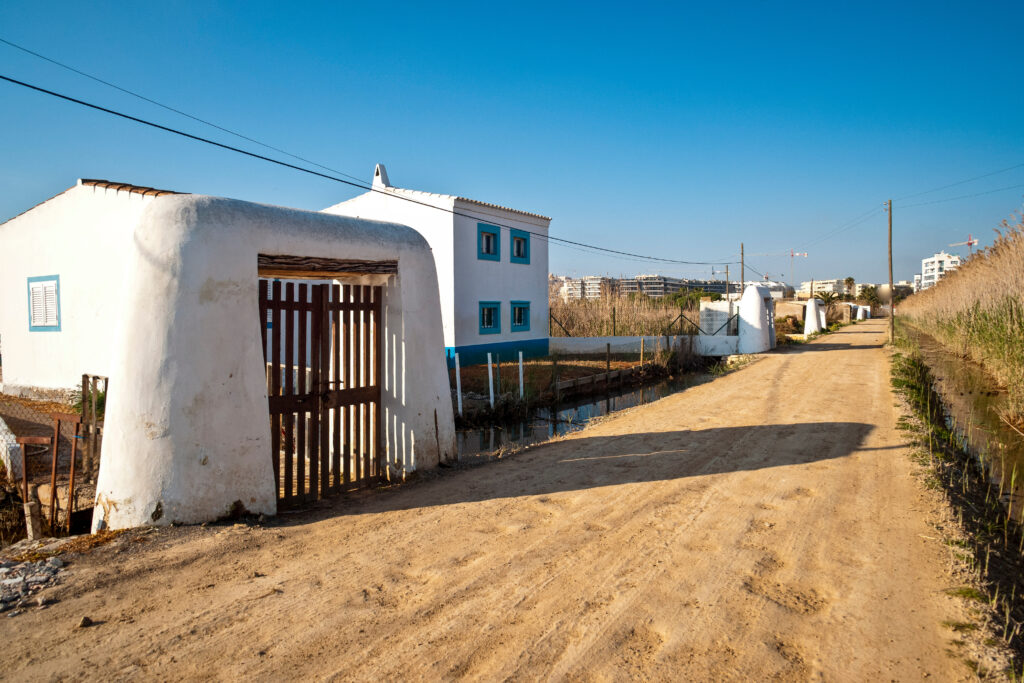
During the 20th century, many plots were abandoned, but many original structures and part of the natural ecosystem remain, prompting various groups to fight for their protection.
Today, Ses Feixes is considered a site of cultural and natural interest. Environmental organisations, neighbourhood associations and heritage entities have promoted various initiatives for its conservation and restoration. Its inclusion on the UNESCO World Heritage list has also been proposed, along with other elements of the city of Ibiza, in recognition of its importance as an example of Islamic agricultural legacy in the Western Mediterranean.
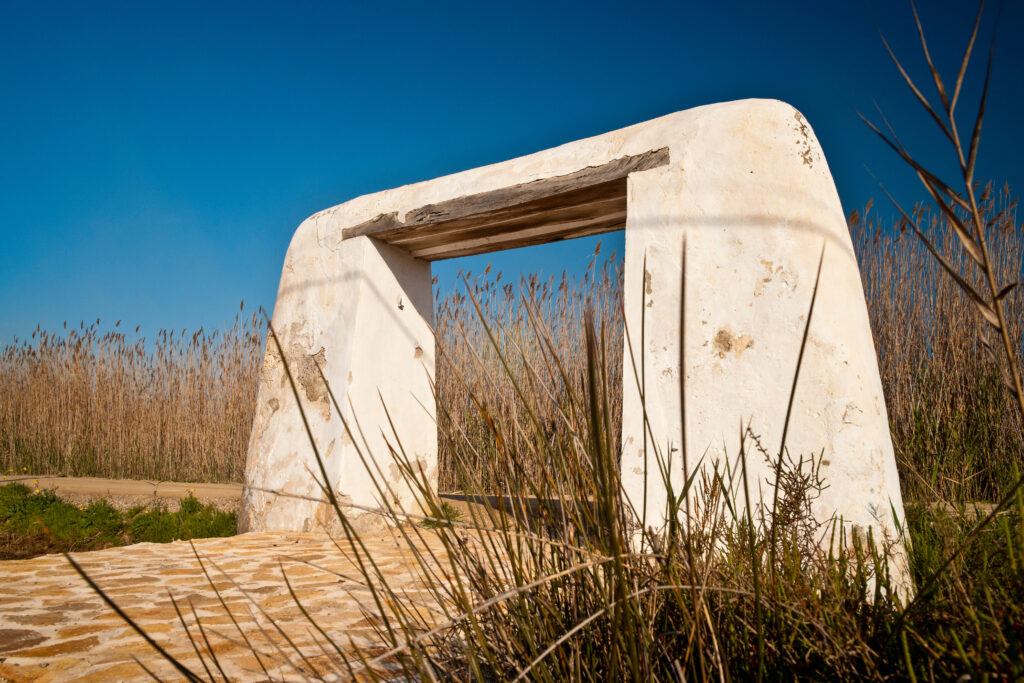
Preserving Ses Feixes not only means protecting a valuable ecosystem but also recovering a living testimony of Ibiza’s agricultural history. It shows how the island’s early inhabitants adapted their knowledge to the environment, using water resources sustainably. Revitalising this space could be a unique opportunity to combine responsible tourism, environmental education and heritage recovery.
See all posts