


THE LONGEST DAY
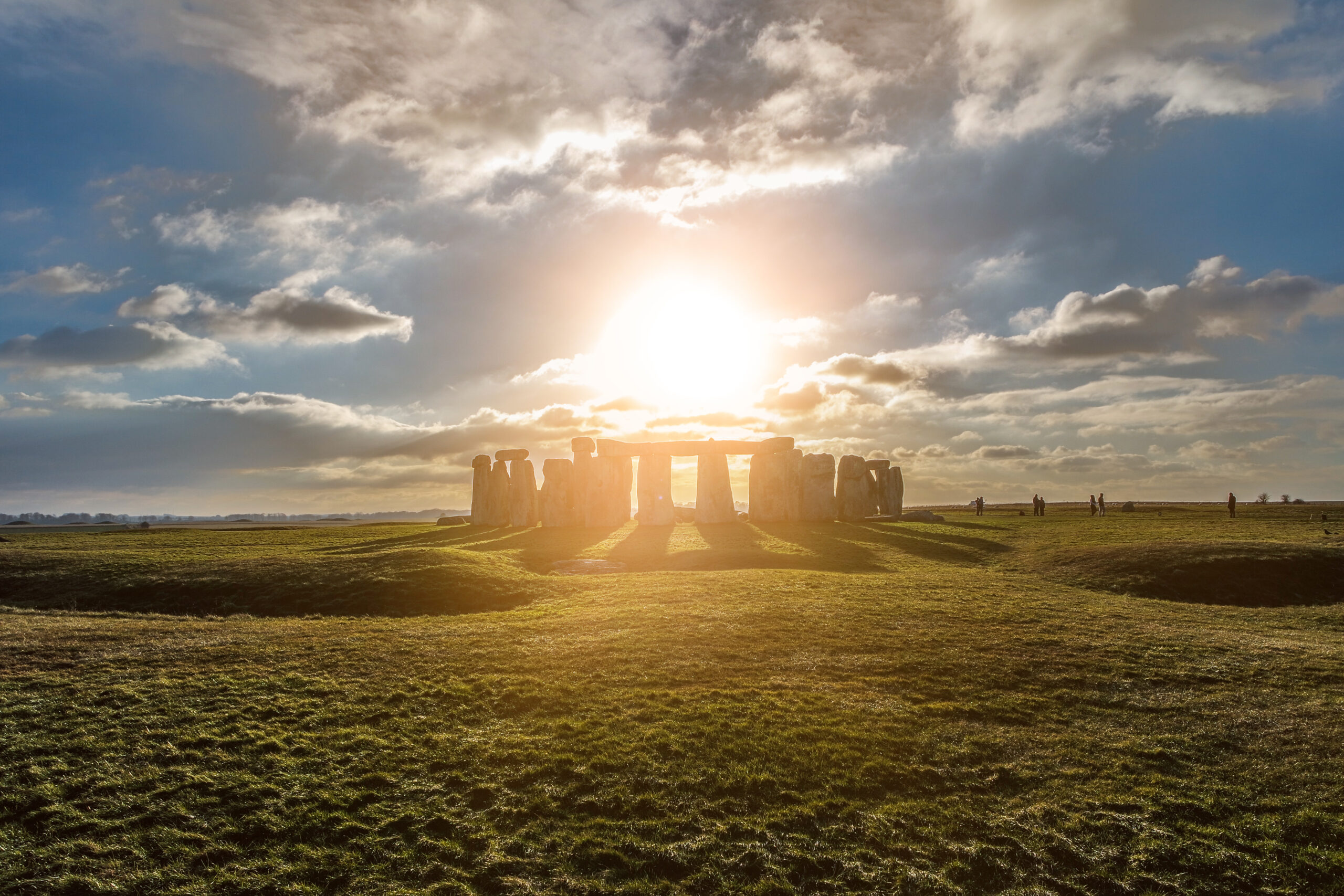
The summer solstice is an astronomical phenomenon that marks the longest day of the year, occurring when the sun reaches its highest point in the sky in one of Earth’s hemispheres.
In 2025, it will take place on Saturday, June 21, at exactly 10:42 PM (Spanish Peninsular time), according to the calculations of the National Astronomical Observatory.
This event marks the official start of summer, and has been a moment celebrated in many cultures throughout history due to its agricultural, spiritual, and symbolic importance.
During the summer solstice, the Earth’s axis tilts in such a way that the corresponding hemisphere is facing the Sun more directly. This results in more hours of sunlight, warmer climates, and a noticeable increase in natural activity.
In many ancient civilizations, the summer solstice was of profound spiritual significance. In pre-Christian Europe, for example, the festival known as Litha was celebrated, where bonfires were lit to symbolize solar energy, and the Sun gods were worshipped.
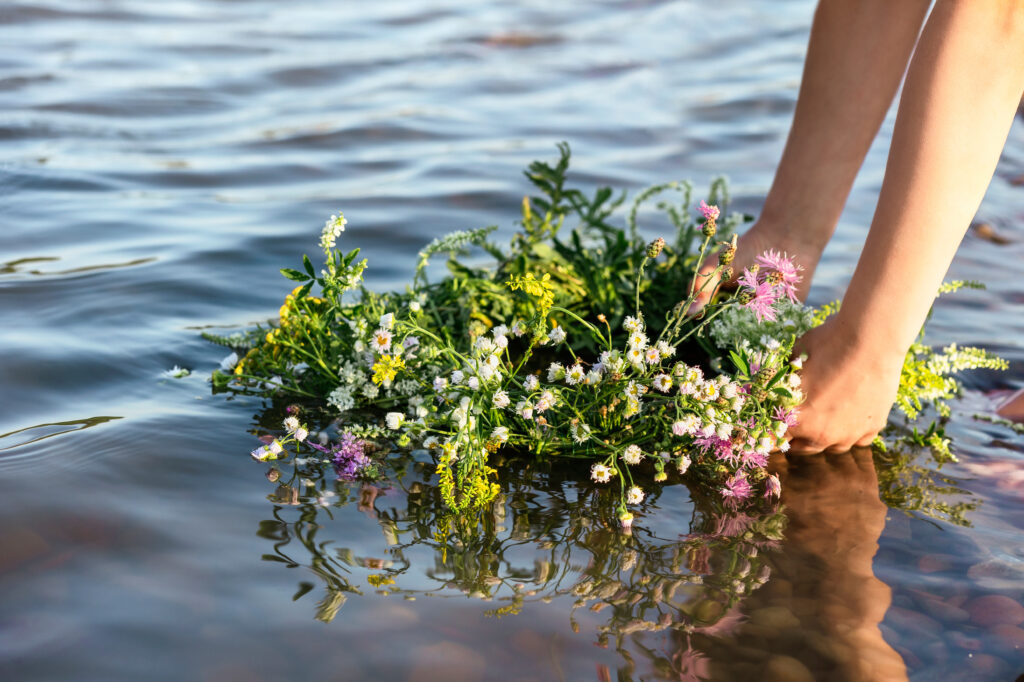
One of the best-known legends related to the summer solstice comes from Scandinavia. According to this tradition, during the night of the solstice, spirits of nature are especially active, and fairies and other magical creatures are believed to roam the world freely. It is also said that plants harvested that night, such as St. John’s wort, and mugwort, have extraordinary healing and protective properties.
In the Celtic world, it was believed that the separation between the realm of the living and that of the spirits dissipated during the solstice, allowing for communication with ancestors and deities. Some folktales state that whoever falls asleep in a circle of stones on the night of the solstice may awaken with visions or messages from the great beyond.
In Ibiza, the summer solstice features not only astronomical, but also cultural and spiritual significance. Traditionally, this time of year has been linked to pagan rituals that celebrate fertility, light, and connection with nature. The White Island, with its strong spiritual heritage and vibrant alternative community, becomes a special place to welcome this solar transition.
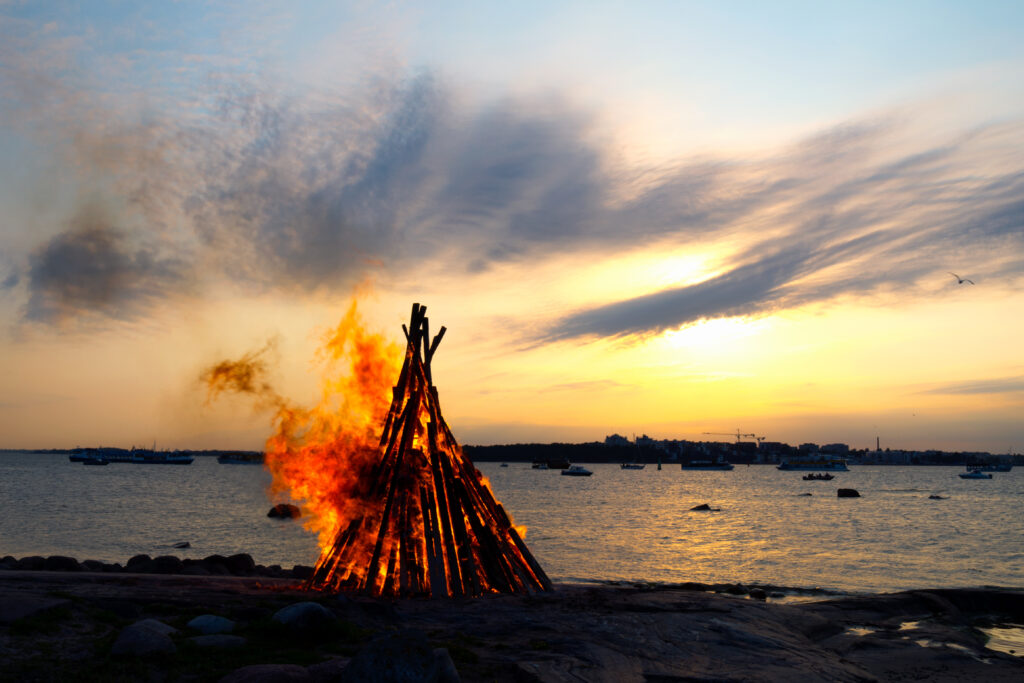
During the solstice, many people gather in emblematic places, such as Es Vedrà, Cala Benirràs, or the ancient Phoenician settlements, to watch the sun rise or set. Some groups practice fire rituals, collective meditations, dances, and ceremonies that honour solar energy. In Ibiza it is lived as a moment of renewal, introspection and celebration, when the light reaches its peak and one is invited to let go of the old to make way for the new.
See all posts