


CABRERA, THE UNTOUCHED ARCHIPELAGO
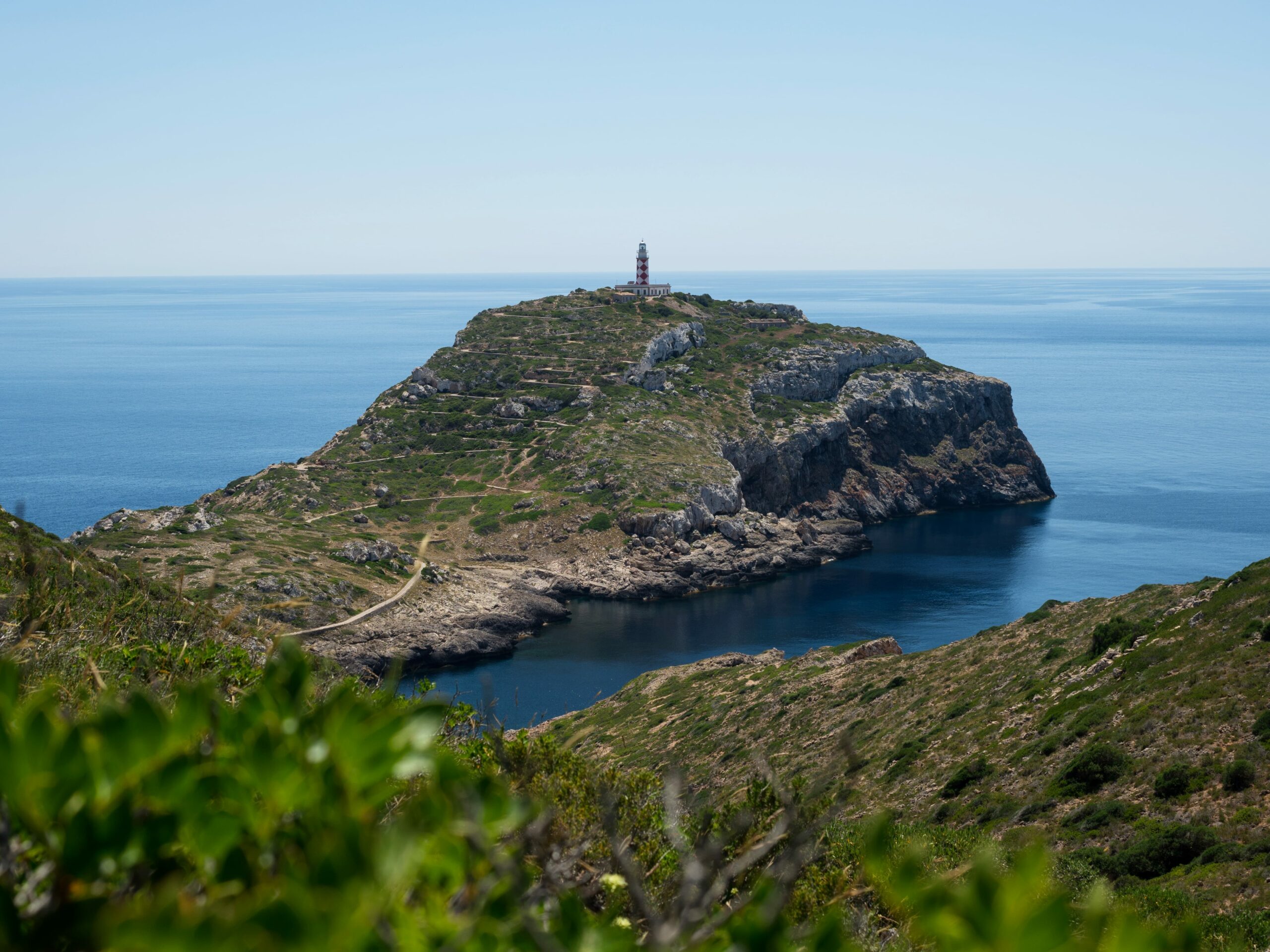
The island of Cabrera, located south of Mallorca in the Balearic archipelago, is one of the most protected and least altered island territories in the western Mediterranean. The archipelago, which includes one main island and around a dozen smaller islets, is known for its rugged terrain, dramatic cliffs, and vegetation uniquely adapted to the dry, windy climate.
Throughout history, Cabrera has played a strategic role in maritime control of the Mediterranean. It was already used by Romans and Byzantines as a lookout point, but its more storied past begins in the Middle Ages, when its remote location and difficult access made it an occasional hideout for pirates and corsairs. To counter these threats, Cabrera Castle was built in the 14th century—a small fortification that still overlooks the island’s natural harbour today.
During the Spanish War of Independence, Cabrera served as a prison for thousands of French soldiers captured at the Battle of Bailén (1808). Many of the prisoners died under the extreme conditions they endured on the island, leaving behind a tragic chapter in its history—one of the darkest episodes in Cabrera’s past.
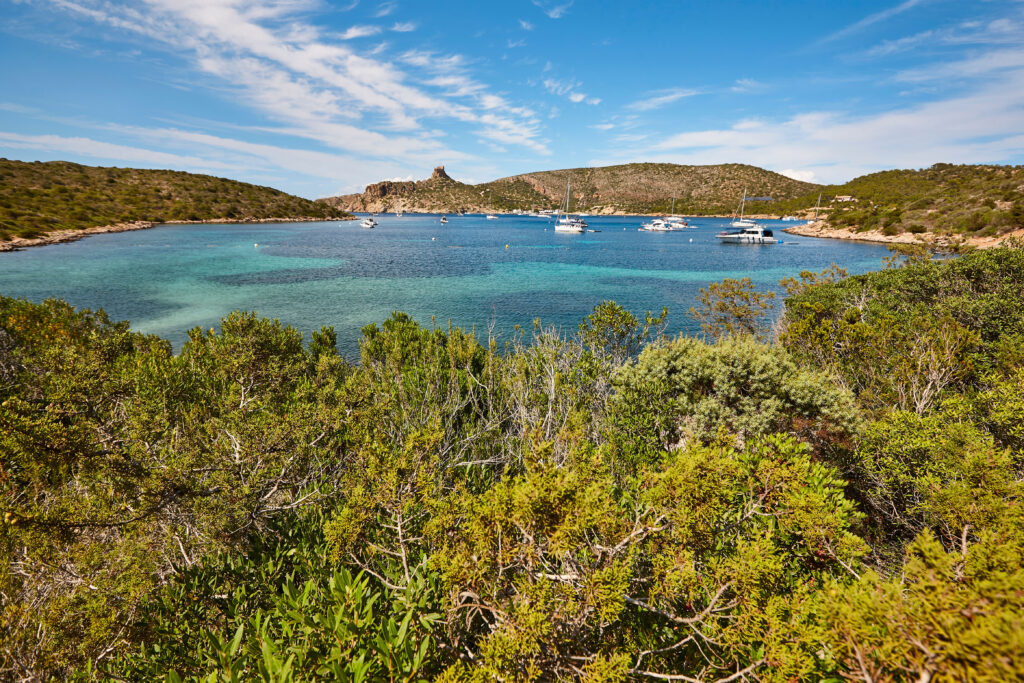
For much of the 20th century, Cabrera was used as a military zone, which severely restricted civilian access and prevented the urban development seen on other Balearic islands. As a result, its marine and terrestrial ecosystems remained largely untouched. By the late 20th century, its immense ecological value began to be recognised.
In 1991, Cabrera was declared a National Maritime-Terrestrial Park, the first of its kind in Spain. This designation marked a major milestone in conservation efforts, leading to stricter regulation of human activity. Fishing, anchoring, and similar practices were limited or outright banned, while programs were launched to protect native species and restore natural habitats.
Today, Cabrera is a destination dedicated to sustainable nature tourism, with strictly regulated and limited access. Only a set number of visitors are allowed to land each day, and overnight stays require special permission. The island offers a small interpretive centre, hiking trails, and designated swimming areas, allowing people to explore without threatening its fragile ecological balance.
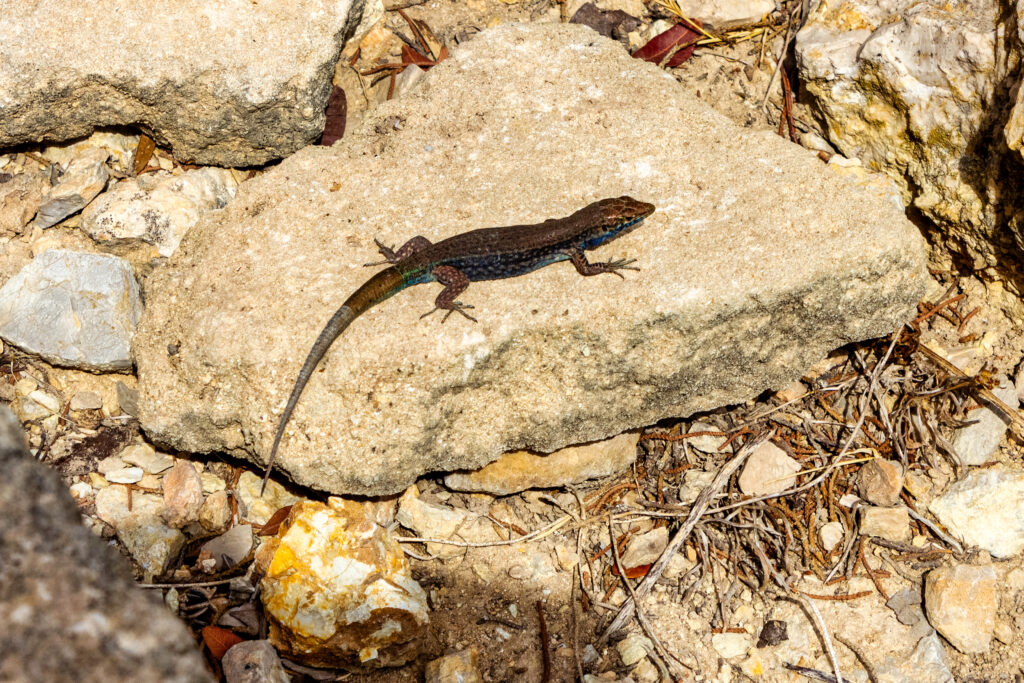
Thanks to these efforts, Cabrera stands today as a model of environmental preservation in the Mediterranean. It is home to numerous seabird species, endemic reptiles like the Balearic lizard, and a rich marine biodiversity that includes meadows of Posidonia oceanica and coral reefs. Its current status—shaped by limited human intervention and a focus on conservation—makes it a true natural laboratory.
See all posts